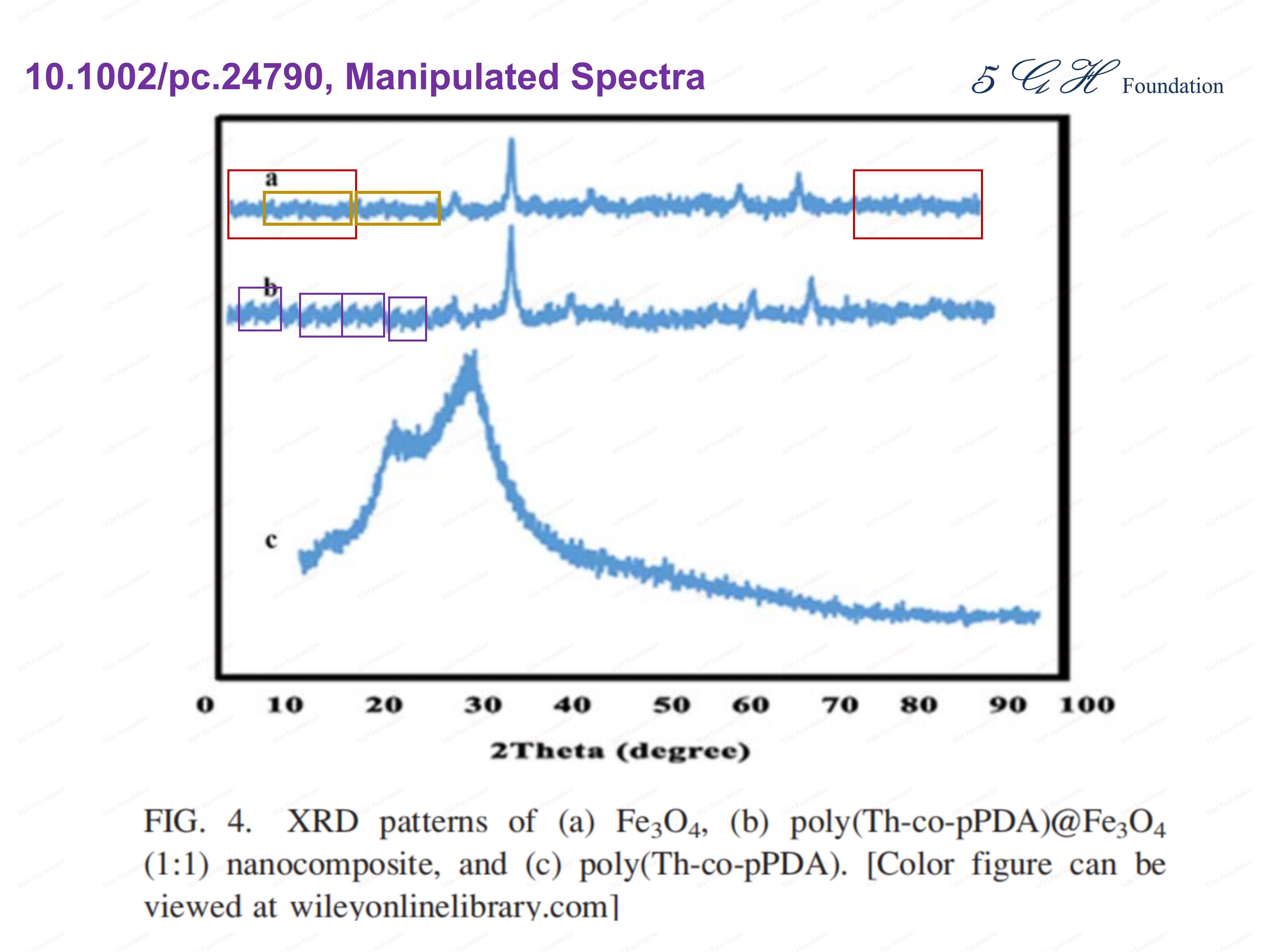
Abnormal data patterns are observed on the standard deviation values on the Table 3 of this article
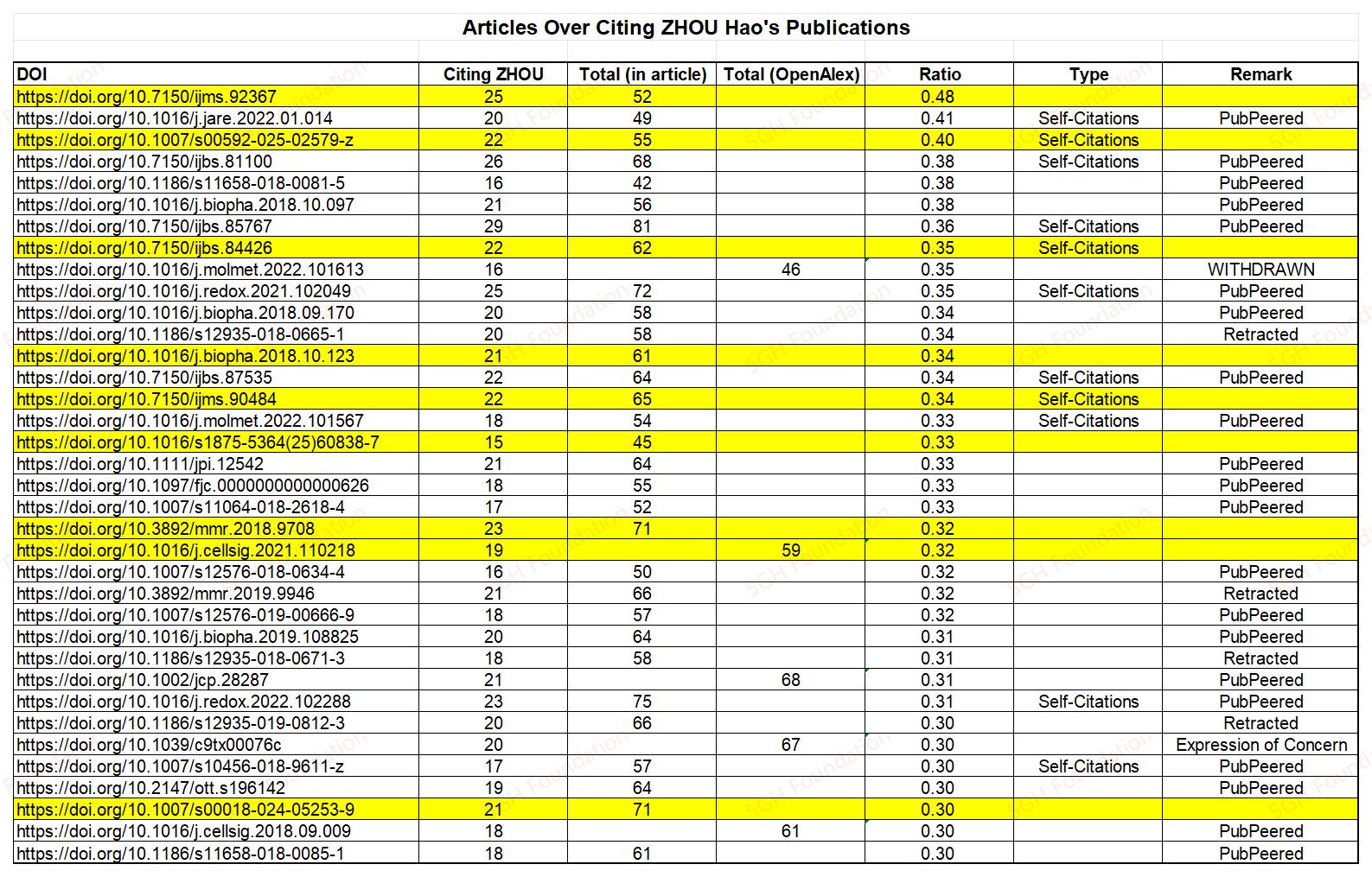
An investigation by the 5GH Team reveals 36 articles over citing ZHOU Hao's publications. Over 30% of each article’s references were co-authored by ZHOU Hao, with the China PLA General Hospital (a.k.a. the 301 Hospital).
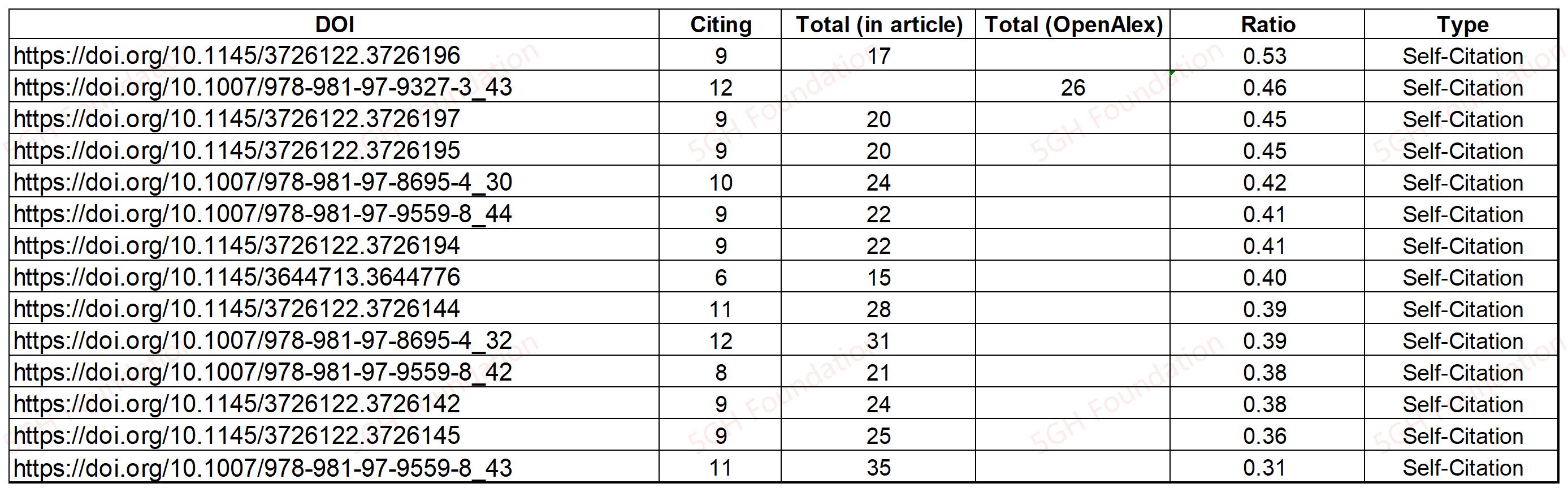
The 5GH Team came across the profile of Shoh-jakhon Khamdamov at Tashkent State University of Economics, and noted the abnormal pattern of the citations to Khamdamov.
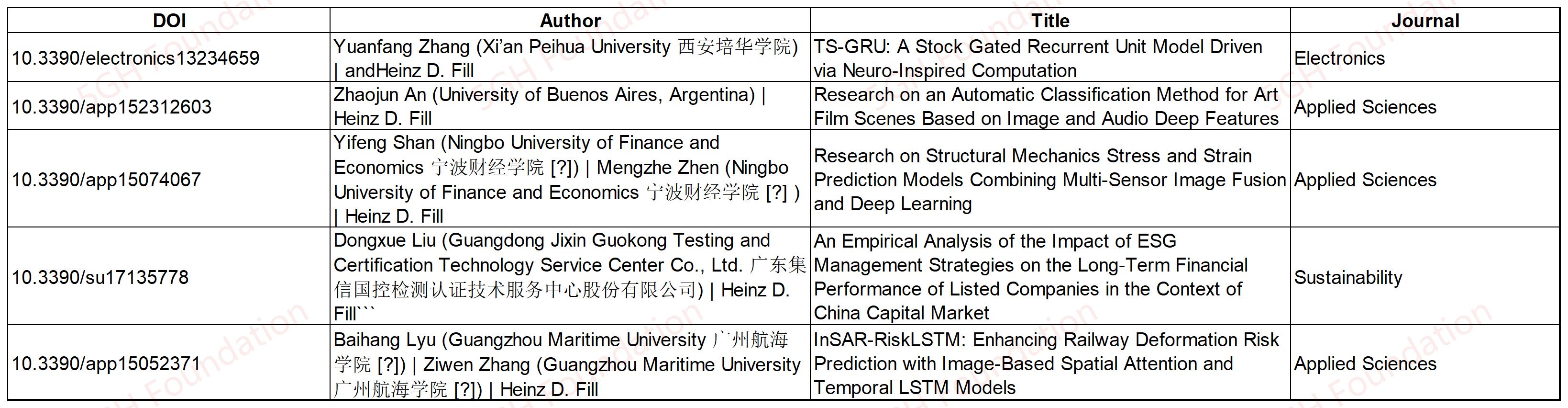
The identify of a Brazilian researcher, Dr. Heinz D. Fill, is suspected to be stolen by a Chinese paper mill network. This concern was raised by an academic sleuth a few days ago.
The ethics approval number on the article [1] was found to be "Non Existent".
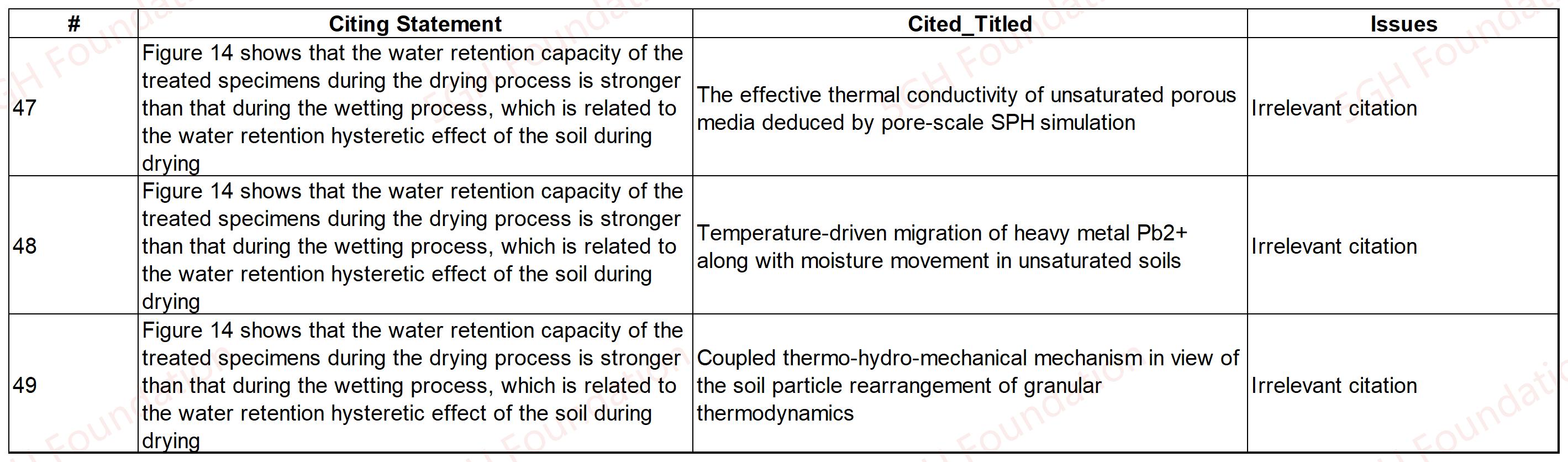
Three references (Ref 47-49) on the article are irrelecant to the citing statement.
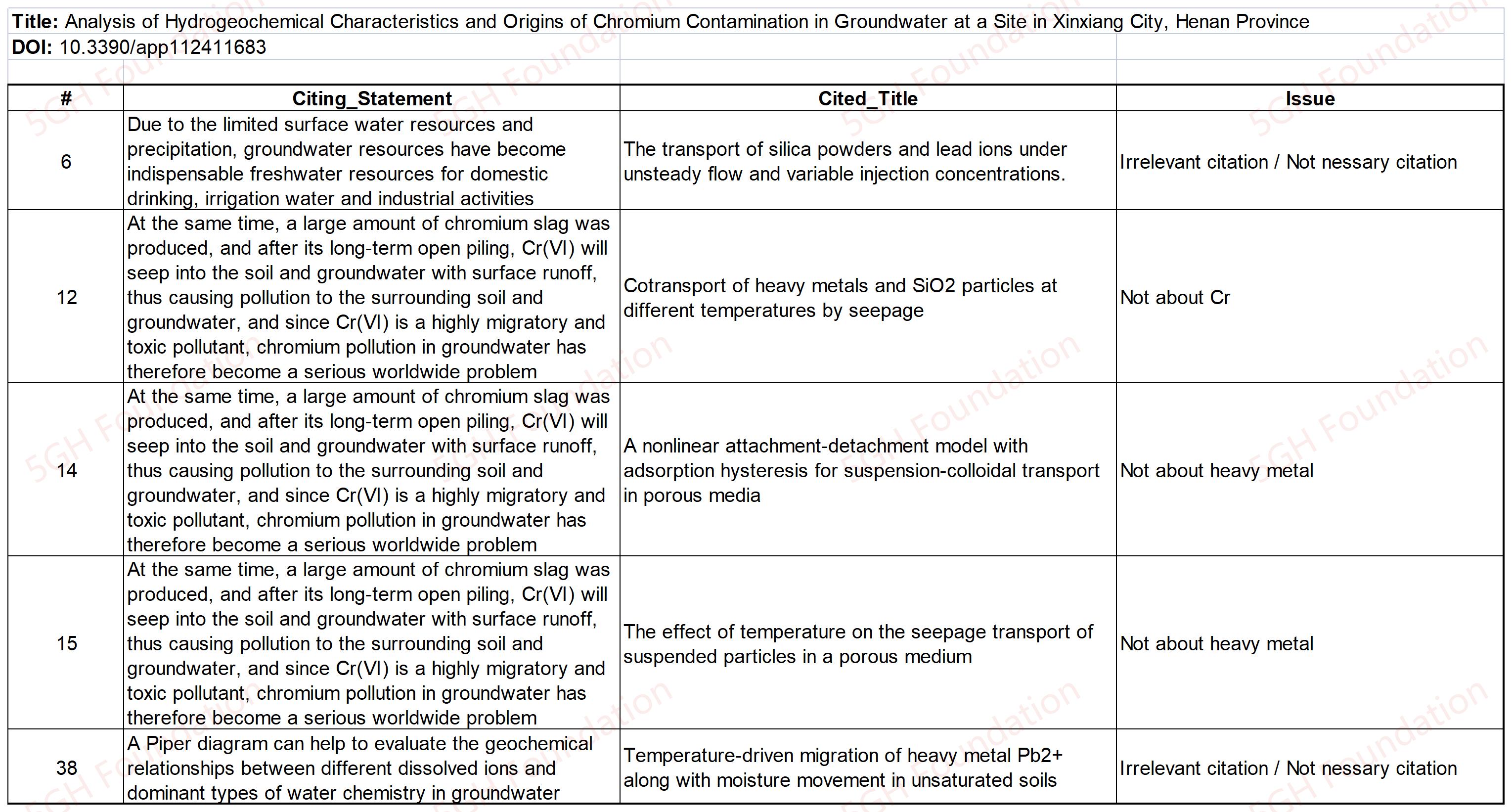
Five references, namely the Ref 6, 12, 14, 15 and 38, on this article bear no relevance to the statements they are intended to support.

These cases reflect the fact that China has a long history of loose ethics management. Although in recent years, authorities have applied several regulations on this matter, the enforcement is not as strengthened as it is expected.
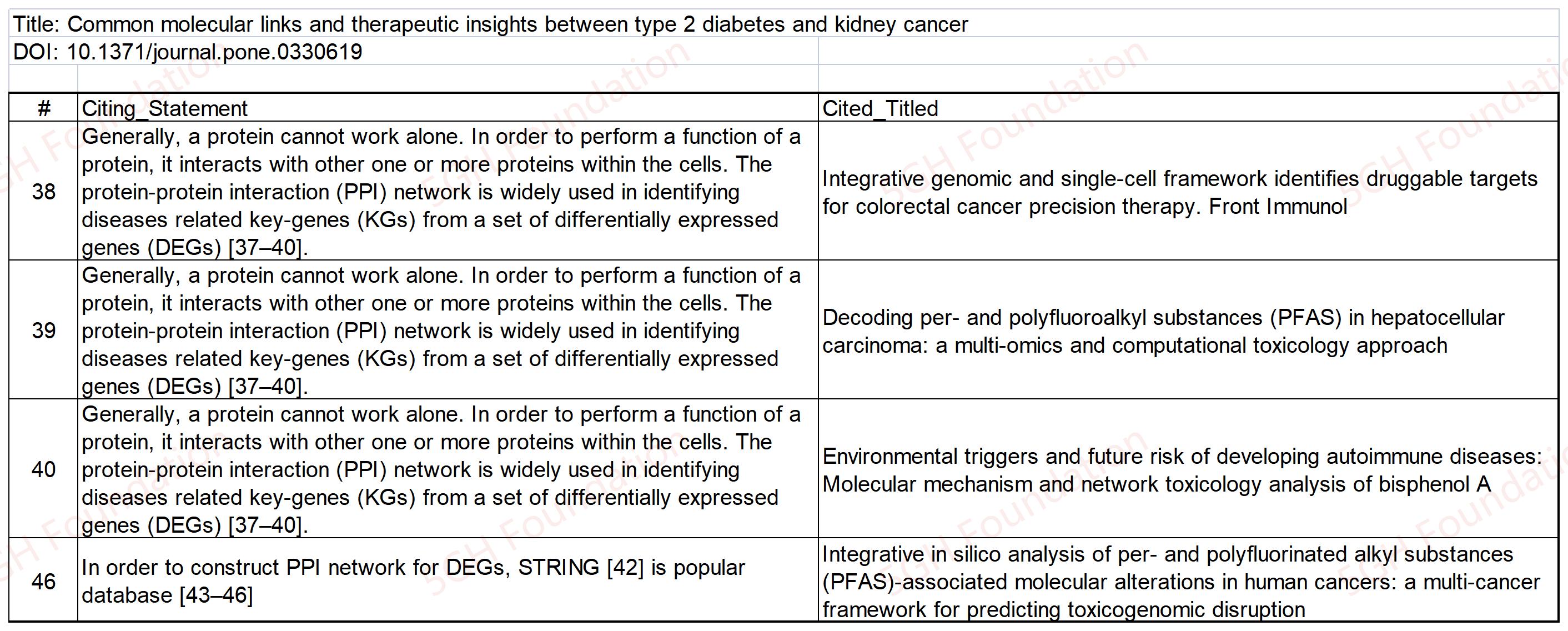
Four irrelevant citations to HONG Yanggang (洪扬刚) with Wenzhou Medical University (温州医科大学) are discovered on the article

An undergraduate students (HONG Yanggang / 洪扬刚) at Wenzhou Medical University (温州医科大学) has edited three articles on an U.S. based journal "PLoS ONE".
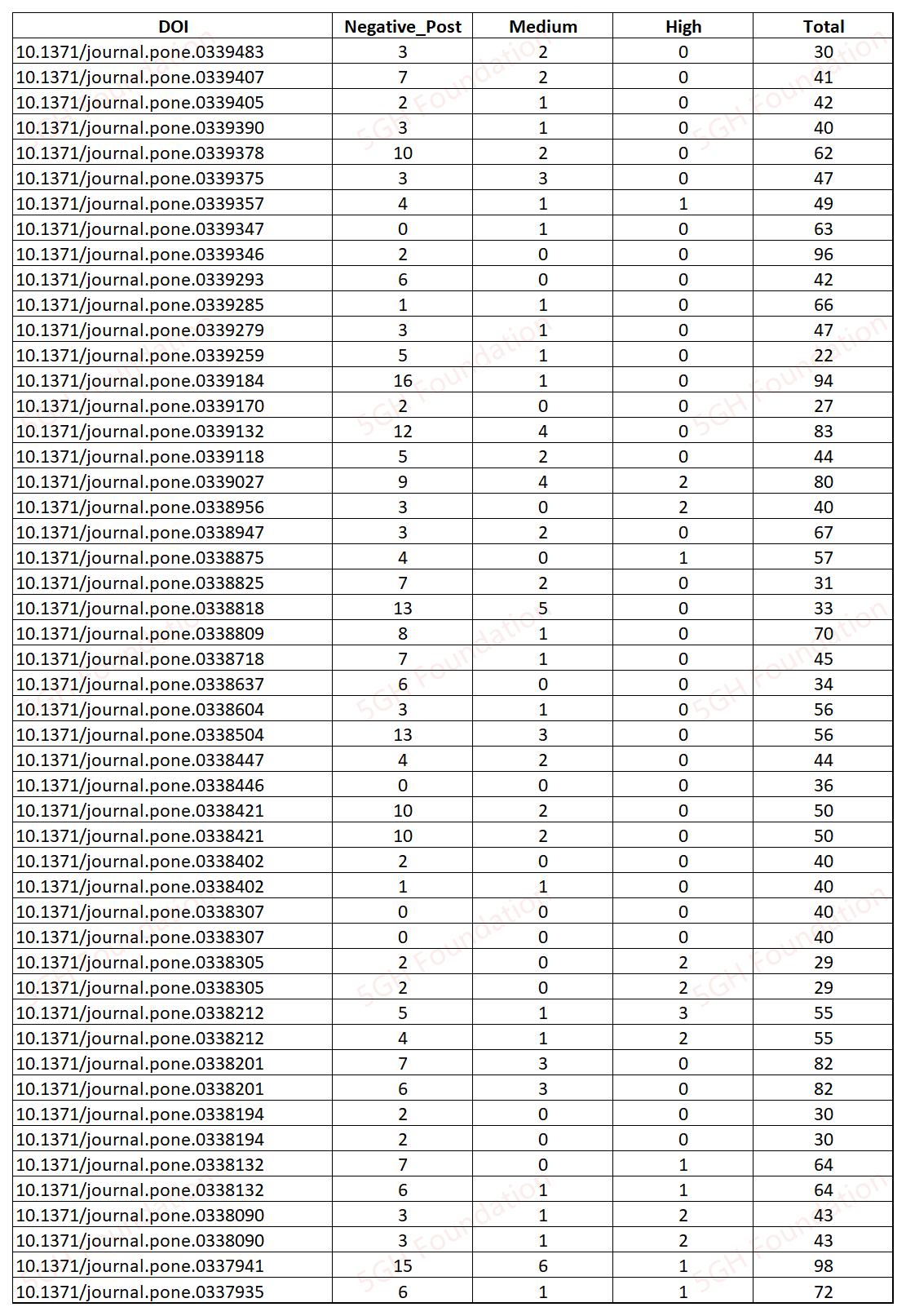
The 5GH Team analyzed the 50 most recently published articles on PLoS ONE using "RetractionRisk Scanner", a tool developed by Mr ZHENG Erte and his colleagues, and identified problematic references in 48 out of these 50 articles.